Barcelona is one of those cities where every corner feels alive — the light, the food, the chaos, the colour. But instead of planning my trip the normal way, I handed the whole job to AI. ChatGPT chose the places, Google Search refined the list, Google Maps routed me, and Instagram Reels sprinkled in the “aesthetic” spots.
My mission was simple: follow exactly what the algorithms told me and see what actually works in real life.
Here’s how the experiment turned out.
The AI Plan: Efficient, Logical… and a Little Predictable
AI plans travel with clean logic. It picks famous landmarks, optimizes timings, and avoids backtracking. And to be fair, Barcelona responds well to structure.
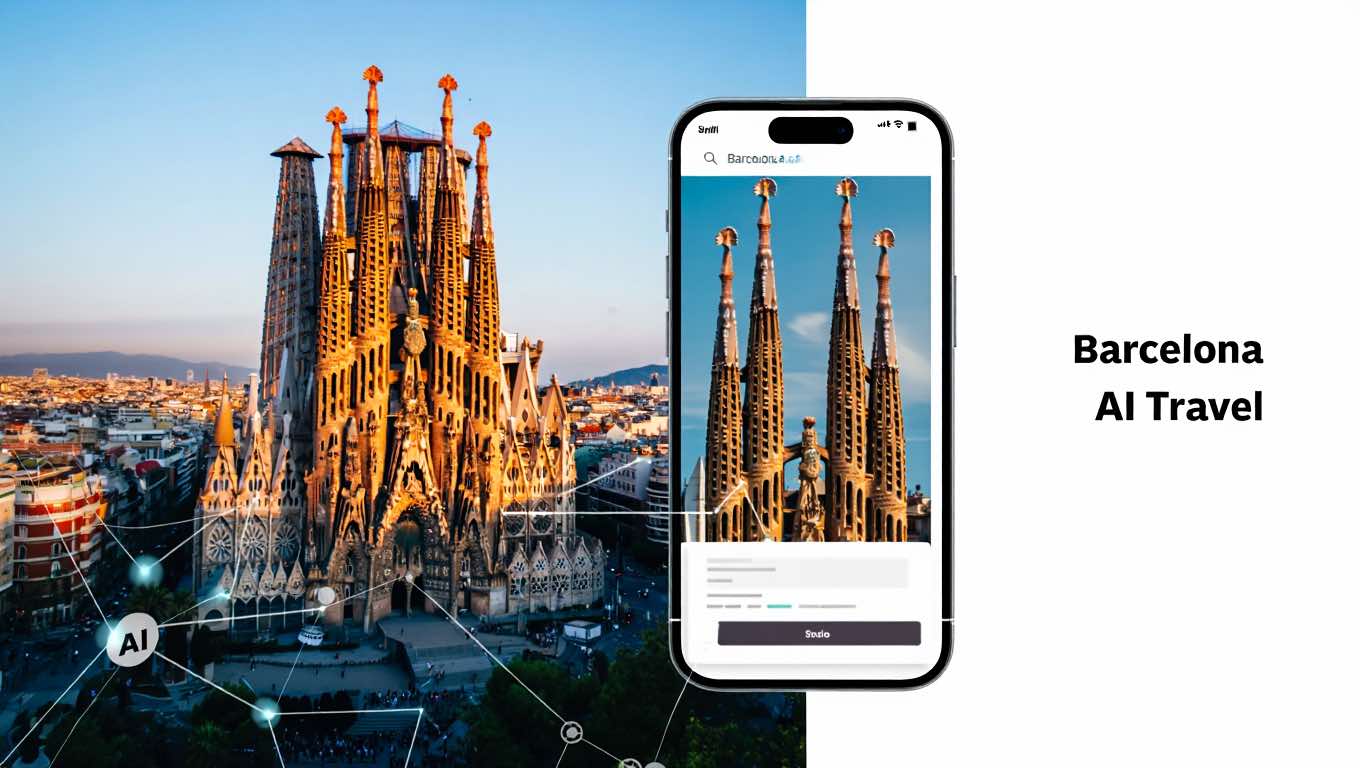
Starting the day at Sagrada Família was one of the best decisions. The morning light through the stained glass transforms the interior into something that feels almost unreal. Later in the morning, when I walked into the Gothic Quarter, the streets were still quiet, the alleys cool and shadowy, and the cafés slowly waking up. AI got the timing right — even if it didn’t know why.
AI’s “must-see” suggestions created a solid base for the day, but they lacked personality. It knew the big names, but not the emotional weight of discovering them.
Where AI Fell Short (And Real Life Took Over)
If AI has a blind spot, it’s that it cannot sense atmosphere.
Places like La Rambla look great on a list — famous, central, heavily searched. But in real life, it felt crowded and commercial. Barceloneta Beach at mid-day was another miss: packed, noisy, and nothing like the calm escape the descriptions suggested.
This is where AI planning shows its limits. It knows what is popular, but not how these places actually feel at different times of day.
On the other hand, spots like Montjuïc and the evening walk through El Born were unplanned surprises — places where I stepped away from the AI script and simply followed instinct. These ended up being some of my favourite parts of the day.
The Instagram Effect: Pretty vs. Practical
Instagram Reels added a completely different flavour. It led me to photogenic cafés, pretty viewpoints, and “hidden gems” that, in reality, everyone already knows. A few of these were genuinely worth visiting — especially a couple of cafés tucked inside the Gothic Quarter and the panoramic views at Bunkers del Carmel.
But many Reels-famous places felt curated more for photos than for experience. Rooftop bars were overcrowded and overpriced. Viral brunch cafés looked incredible online but served very average food. Reels romanticised Barcelona; reality brought it back to earth.
What Actually Worked: My Real-Life Takeaways
By the end of the day, the best part of the AI-planned itinerary was the structure, not the specifics.
Best Experiences of the Day
- Sagrada Família in the morning
- Early wander through the Gothic Quarter
- Park Güell during off-peak hours
- Montjuïc viewpoints
- Bunkers del Carmel at sunset
- Evening stroll through Born
Skippable or Overrated
- La Rambla
- Barceloneta mid-day
- Overhyped Reels cafés and rooftops
The most memorable moments came from wandering aimlessly, not following instructions.
Final Verdict: Can AI Plan Barcelona Effectively?
AI is great at building a clean, manageable starting plan. It helps you prioritize, sequence, and navigate. But Barcelona’s real magic comes from spontaneity — turning into a quiet street, picking a tapas bar at random, or staying longer in a neighbourhood because it simply feels right.
AI can guide your trip.
But only you can shape the experience.

Leave a Reply